- Get link
- X
- Other Apps
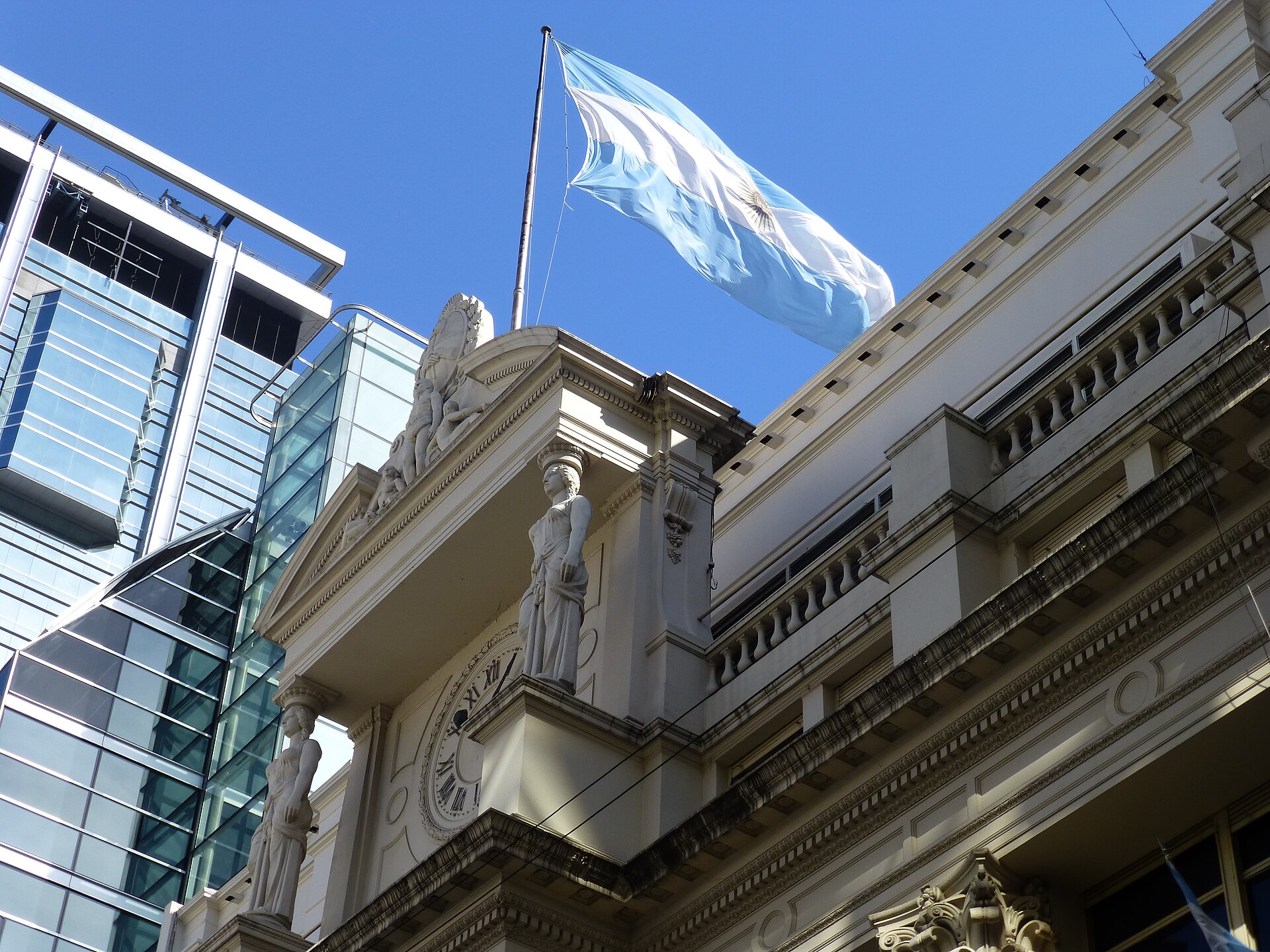
According to a report by Al Jazeera, Argentina has officially barred its Central Bank from printing money to fund government spending. The move stops the state from creating new cash to cover its budget costs. Leaders hope this clear rule will help fix the country's severe economic troubles.
What is the new rule for Argentina Central Bank?
The new order creates a strict wall between the government budget and the money presses. In the past, the state often asked the bank to make more cash when bills came due. That practice is now against the rules, which forces leaders to spend only what they actually have.
Supporters of the plan say this step was necessary to rebuild trust in the national currency. Critics worry that sudden cuts could hurt public programs that people rely on every day. Even so, the policy marks a sharp change in how the nation handles its public money.
Why does printing money cause inflation?
When a country prints extra cash without making more goods, each bill loses some of its value. Stores then raise their prices because the money is worth less than before. This cycle quickly makes basic items like food, milk, and gas too expensive for normal families.
By cutting off this supply of easy cash, the government hopes to slow down price spikes. The main goals of the new policy include:
- Stopping the rapid rise of everyday prices.
- Forcing politicians to balance the national budget.
- Building trust so people feel safe holding local cash.
- Protecting the buying power of regular workers.
How will this change affect ordinary people?
For ordinary families, the change could eventually bring more predictable prices at the grocery store. When money holds its value, planning weekly shopping and paying rent becomes much easier. It also makes saving money for the future a realistic goal for regular workers.
However, the shift could bring tough times in the short term. The government cannot spend cash it does not have, which often leads to reduced public aid and paused building projects. People may feel the sting of lower state support before they see any relief in store prices.
What will happen next in Argentina?
Now that the money presses must stop running, the state must collect enough taxes to pay its own bills. Officials will have to watch every single expense to avoid running out of funds. The whole world will watch closely to see if this hard choice brings positive results.
The coming months will show whether the economy can grow under these tight new conditions. If prices begin to level off, other nations with debt might study this path. For now, the people of Argentina will wait to see if life gets more affordable.
Comments
Post a Comment