- Get link
- X
- Other Apps
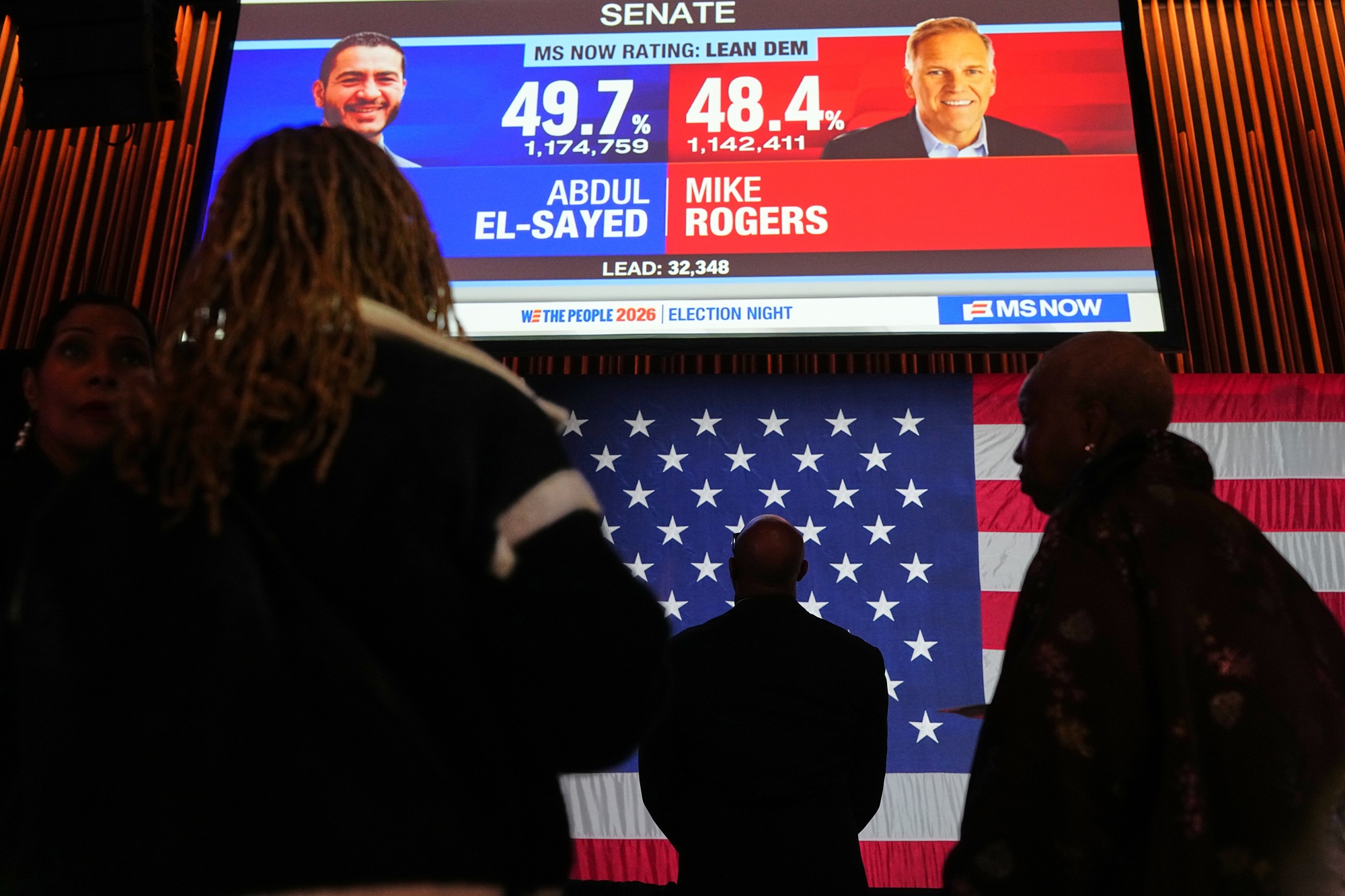
Voters are asking how a divided government will work now. Power is split between different parties in Washington after the latest election. This shift changes how leaders make major choices for the nation.
How will voters respond to divided government?
A divided government happens when one political party controls the White House and another party controls Congress. Voters often send mixed signals at the ballot box when they choose leaders from different parties. Many independent voters pick split options because they want balance in power. Now citizens must watch how these opposing sides try to work together.
When parties share power, passing new rules takes a lot of time. Leaders must meet in the middle or nothing gets done at all. Voters often grow tired when leaders spend months arguing over simple choices. Some voters like this slow pace because it stops big changes from happening too fast.
What does split power mean for everyday people?
Split power affects daily life in many ways. It changes how the country spends money on roads, health care, and public safety. When leaders fight, useful programs can lose their funding or get delayed for a long time.
Groups like the League of Women Voters help citizens track these changes. Everyday people must pay close attention to see who keeps their promises. When government is split, it is easy for politicians to blame the other side for bad news.
- Slower laws: Big bills take longer to pass through both houses.
- More debates: Leaders argue more in public about key issues.
- Compromise: Both parties must give up something to get a deal.
What happened before this big shift in power?
In the past, one party often held total control over the national government. That made it easy for them to pass their own laws quickly without asking for help. But voters often swing the other way during midterms or general elections to check that power.
History shows that split control is actually very common in modern history. Voters frequently use their votes to balance out the government. They do not want any single group to have total control over the entire country for too long.
What to watch for in the coming months
Watch how party leaders talk to each other in high-profile meetings. The main thing to see is whether they can agree on a federal budget. If they cannot agree, parts of the government could slow down or close.
Pay attention to how voters feel in the next major polls. Public mood can change fast if the two sides only fight instead of fixing real problems. Voters will get their next big chance to answer this question at the voting booth.
Comments
Post a Comment