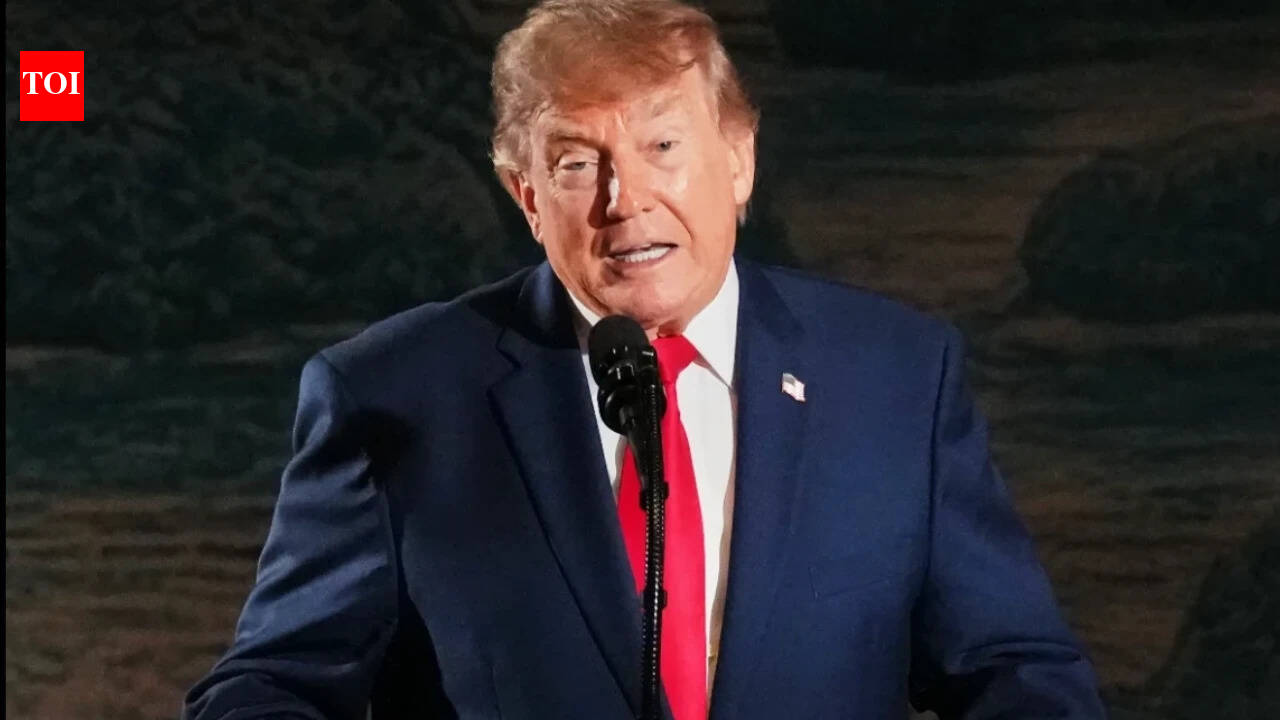
According to PBS, a legal authority declined to issue a long-term ban on taxpayer-funded, pro-Trump ads. Critics had argued that these public promotions amounted to political propaganda. The decision allows the controversial spending issue to remain unresolved for now.
What did the judge decide about pro-Trump ads?
The core dispute centers on messages that promote Donald Trump using public tax funds. Opponents went to court seeking an immediate, long-term halt to this spending. A presiding legal official, serving as a judge in the legal system, evaluated the request and chose not to block the ads over the long run.
Critics maintain that public money belongs to all citizens and should never finance partisan messaging. They argue that using state resources to boost a single political figure crosses a clear line into state-sponsored messaging. Because the request was denied, the legal battle over these promotional materials will continue through the court system.
Why critics say taxpayer money should not fund political ads
Many taxpayers object when government resources go toward political messaging. Critics believe that public funds should support essential services instead of partisan campaigns. Here are the central arguments raised against the controversial advertising effort:
- Public money should stay strictly neutral and serve the entire community.
- Promotional ads supporting a specific politician can look like state propaganda.
- Voters want clear limits on how public money is spent during political cycles.
Supporters of the administration usually argue that government agencies have a right to inform the public about their work. They claim these announcements explain current policies and official achievements rather than campaign activity. The line between official government information and political promotion remains a sharp point of debate.
What will happen next in the legal fight?
Because the court refused to issue a long-term ban, the underlying lawsuit is far from over. Lawyers challenging the spending will likely prepare new arguments or wait for a full trial on the merits. Both sides must now decide how far they want to push the dispute in court.
For ordinary voters, the outcome could set a major standard for future administrations. If the courts eventually allow these messages, future leaders from any political party could use tax funds to run similar campaigns. Observers across the country will watch closely to see if other legal challenges arise against these advertisements.
Comments
Post a Comment