- Get link
- X
- Other Apps
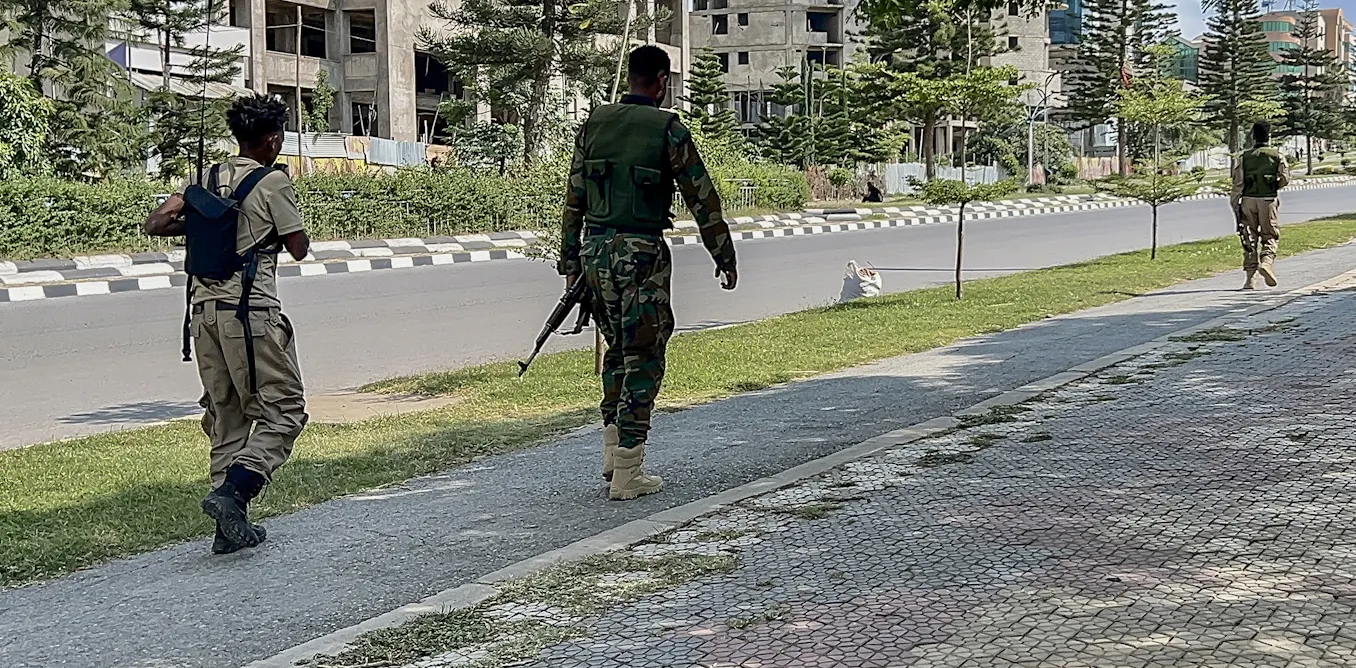
The Council on Foreign Relations has updated its Global Conflict Tracker regarding the conflict in Ethiopia. This report shows that the country remains in a state of crisis due to ongoing violence and political tension. These issues continue to impact the stability of the entire region as leaders struggle to find a path toward peace.
What is the current conflict in Ethiopia?
The situation in Ethiopia involves several different groups fighting for power and land. These fights often happen between the central government and local ethnic groups who want more control over their own areas. Because the country is so large, these battles can spread quickly and cause many people to flee their homes to find safety in other places.
This ongoing violence makes it very hard for the country to grow its economy or keep its citizens safe. Schools and hospitals often close when the fighting gets too close to cities or towns. International groups are watching the situation closely because they worry that the violence might spill over into neighboring countries in East Africa.
Why does this conflict matter to the world?
Ethiopia is one of the most important countries in Africa because it has a huge population and a central location. When there is a Ethiopian civil conflict (2018, present), it disrupts trade and travel for many other nations. Many people across the globe are working to send food and medicine to help those who are suffering from the lack of basic needs.
The history of the region is filled with many different types of struggles over borders and resources. For example, there have been long disputes like the Eritrean, Ethiopian border conflict which lasted for many years. When new fights start today, they often bring up old pains and make it even harder for people to trust each other or live together in peace.
How do these fights affect ordinary people?
For a regular family living in Ethiopia, the conflict means life is full of fear and uncertainty. Farmers cannot plant their crops if there are soldiers in the fields, which leads to a lack of food in the markets. Prices for simple things like bread and milk go up very high, making it hard for parents to feed their children every day.
Young people also lose out on their education when schools are turned into shelters or damaged during the fighting. Without a good education, it is much harder for the next generation to build a better future for their country. Many families decide to leave everything behind and walk for days just to reach a place where they do not have to hear the sound of guns.
What should we watch for next in Ethiopia?
People who follow the news are looking to see if the government and the rebel groups will sit down to talk. Peace talks are the only way to stop the violence for good, but both sides must agree to stop fighting first. The world is waiting to see if international leaders can help bring these groups together to sign a deal that lasts.
- Watch for updates on ceasefire agreements between the government and local groups.
- Look for news about humanitarian aid reaching the people who need food and water.
- Check if neighboring countries are helping to host refugees or mediate the peace.
- Follow reports on how the economy is doing as the conflict continues to change.
The road to peace is very long and has many obstacles that make it difficult to move forward. However, the update from the Global Conflict Tracker reminds us that the world has not forgotten about the people in Ethiopia. Staying informed is the first step in understanding how to help those who are caught in the middle of these big political fights.
Comments
Post a Comment